Precision Path Spray Foam
Paddington spray foam removal

Spray foam removal in Paddington, done properly

Spray foam removal in Paddington is what we do every week, from mansion blocks off Sussex Gardens to canal-side conversions in Little Venice. If a surveyor, lender or buyer has flagged the foam in your loft, we cut it out, clean the timbers and leave the roof space ready for compliant insulation. We cover W2, W9, W10 and NW6, usually within 24 hours of your call.

2022
Serving Paddington since
480+
Lofts cleared locally
pre-winter loft surveys
Right now in Paddington

Paddington overview

Spray foam removal in Paddington, from a team that knows W2

Why we work in Paddington

Paddington's foam problem is unusually concentrated. The area has a high proportion of pre-1919 terraces with shallow pitched roofs, and those are exactly the roofs where closed cell spray foam causes the most damage. Add a large rental market and you get landlords who need a fast, documented removal before a new tenancy starts, plus owner-occupiers who have had a mortgage lender refusal due to spray foam and need it sorted before a sale completes. We keep two vans working the W2 and W9 postcodes most weeks so we can turn quotes around quickly and get lofts cleared before a valuer's second visit.

Loft, attic and cavity foam extraction across W2, W9 and W10

Paddington has one of the most awkward housing mixes in Greater London. You have grand stucco terraces around Hyde Park, tight Victorian conversions in Bayswater and Westbourne, and a huge rental market that turns over every summer. A lot of that stock had spray foam pumped into lofts between 2010 and 2020, often by installers chasing a grant rather than a specification. Now the foam is trapping moisture against rafters, and surveyors are flagging it as non compliant loft insulation under Building Regulations Part L. We set up Precision Path Spray Foam in 2022 specifically to deal with that backlog. Our crews use a spray foam removal saw, oscillating multi-tool and industrial vacuum with air scrubber filtration to take the foam out without gouging the timber underneath. We work across Paddington, Bayswater, Maida Vale, Little Venice, Westbourne and Queen's Park, and we handle everything from a single loft hatch to a full block of flats.
How we work locally

How spray foam removal actually runs in Paddington

Challenge: Resident permit parking on almost every Paddington street

We cannot simply park outside. On streets like Sussex Gardens and Norfolk Square, loading and unloading has to be timed, and a long carry from the van adds time to every job.

Solution: We check parking restrictions when we book and arrange a bay or a suspended space where the council allows it. On jobs with no parking at all, we bring a two-person crew so one person stays with the van and kit while the other works inside.

Challenge: Shallow Victorian roof voids with very little working space

A lot of Paddington terraces have roof pitches where you cannot stand up. That slows removal and makes it harder to inspect rafters properly for rot or insect damage.

Solution: We use compact tools, including an oscillating multi-tool and short-blade removal saw, and we work in sections rather than trying to clear the whole loft in one pass. Every rafter gets inspected by hand, because in a shallow void that is the only reliable way to find rot.

Where we work

PaddingtonBayswaterMaida ValeLittle VeniceWestbourneQueen's Park

Where we work

Paddington

Latitude: 51.5154

Extract Directions

Recent projects

Recent project: 1

Sussex Gardens, W2

Challenge

A three-bedroom terrace near Sussex Gardens had closed cell foam sprayed between every rafter. The buyer's lender refused to proceed until it was removed and the timbers were confirmed sound.

Execution

We surveyed the loft, photographed the foam coverage and cut it out in sections with a spray foam removal saw. Around a third of the rafters showed surface staining, so we hand finished those with a chisel and scraper set, treated the timber and left the void ventilated. The whole loft was vacuumed through an air scrubber before we left.

Impact

Foam fully removed in a single day. The lender accepted our removal report with before and after photographs, and the sale completed three weeks later. The buyer later had mineral wool fitted to meet Part L.

Recent project: 2

Maida Vale, W9

Challenge

A rental flat in Maida Vale had open cell foam in the loft that had soaked up water from a slow roof leak. The landlord needed it cleared before a new tenancy started and was worried about the smell.

Execution

We removed the saturated foam in two visits, using an industrial vacuum and air scrubber to control dust and odour. The vapour barrier underneath had failed, so we replaced it and dried the timbers over several days before signing the job off. We worked around the outgoing tenant's move.

Impact

Loft cleared and dried within four days, with the tenancy start date met. The landlord has since used us on two more properties in the same block.

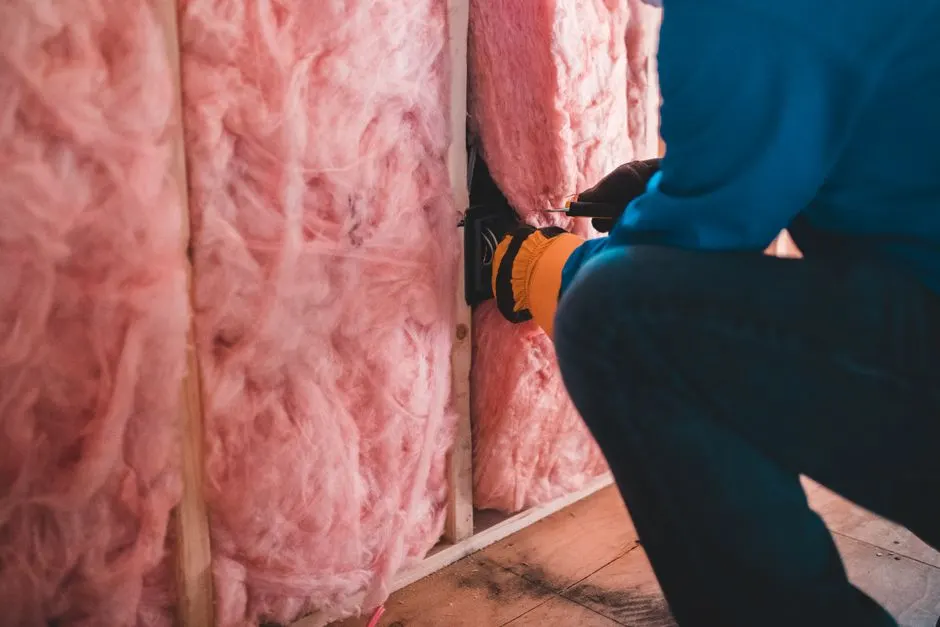
Crop unrecognizable worker in gloves sitting on haunches and insulating with pink stone wool
Our track record
Our track record

What we have cleared in Paddington

Foam removal across W2 and W9

Since 2022 we have cleared foam from more than 480 lofts across Paddington and the surrounding W2, W9, W10 and NW6 postcodes. The pattern is remarkably consistent. Roughly seven in ten jobs involve closed cell foam sprayed between rafters in a pre-1919 terrace, and about half of those show some level of timber staining from trapped moisture. Around a quarter are open cell jobs where the foam has soaked up water after a slow roof leak. We have worked on mansion block roofs near Hyde Park, mansards in Maida Vale, canal-side conversions in Little Venice and rental flats around Paddington Station. In every case the customer wanted the same thing: the foam gone, the timbers checked, and paperwork they could hand to a lender or a buyer.

480+
Paddington lofts cleared

Local questions

How much does Spray foam removal cost in Paddington?

Most Paddington jobs run from around 1,800 pounds for a small open cell loft to 4,500 pounds or more for a large closed cell roof in Maida Vale or Little Venice. Foam type, thickness, access and timber condition drive the price. We give a fixed figure after the assessment, so the number you are quoted is the number you pay.

Who is the best Spray foam removal company in Paddington?

The right firm is the one that inspects your timbers, explains what it found and gives you a fixed price. We have worked across W2, W9 and W10 since 2022 and cleared over 480 lofts in the area. Ask any contractor the five questions above before you book, and compare the answers rather than the headline price.

Is Spray foam removal near me available 24/7 in Paddington?

Our out-of-hours line covers Paddington, Bayswater and Westbourne for urgent jobs where water is sitting against foam and timbers. For standard loft removal we work Monday to Saturday, with same day slots kept open for W2 and W9. Call 020 8088 5345 and we will tell you honestly whether it needs doing tonight.

Trust and credentials

Licensed, insured and accountable

Foam removal touches your roof structure, your mortgage and your insurance, so the paperwork matters as much as the work. We carry full public liability insurance and employers' liability cover, and every technician on a Paddington job holds a CSCS card and works to a method statement written for that property. We are CHAS accredited and registered with Constructionline, and our operatives hold PASMA certification for safe work at height. Foam waste leaves every job through a licensed carrier, and you get a waste transfer note with your removal report. If a surveyor or lender asks for evidence, we can supply it.

Public liability insurance for insulation removal works
Waste carrier registration for foam disposal
CHAS accreditation CHAS
When To Call

Signs you need spray foam removal in Paddington

Foam does not usually announce itself. Most Paddington homeowners find out when a surveyor, valuer or buyer raises it. But there are physical signs you can spot yourself, and if you have been searching for spray foam insulation removal near me Paddington, these are the things worth checking in your loft this week.

1. Damp or musty smell in an upstairs room

Foam that has sealed a roof void stops moisture escaping, and it finds its way into the room below. If a bedroom smells damp after rain, the loft is the first place to look. This one is worth checking quickly because the longer it sits, the more timber damage it causes.

2. Staining or dark patches on rafters

Timber staining under foam means water has been sitting against the wood. It is the earliest visible sign of roof timber rot from trapped moisture. If you can see it, the foam has already been doing damage for at least one heating season.

3. Condensation on roof felt or tiles

Attic condensation from spray foam is common in Paddington's shallow Victorian roofs. Water beads on the underside of the felt because the foam has blocked the ventilation path. Left alone, that condensation drips onto the ceiling below.

4. A surveyor or lender has flagged the foam

Mortgage lender refusal due to spray foam is the most common reason people call us. Most high street lenders will not proceed until closed cell foam is removed and the timbers are confirmed sound. This is urgent if you are mid-sale.

5. Damp patches on an internal wall

Cavity wall damp from spray foam happens when foam bridges the damp course and pulls moisture across. It shows up as a patch low on an inside wall, often near a window. It is a different job from loft foam and needs assessing separately.

Local Problem Patterns

Common spray foam problems in Paddington

Paddington's housing stock drives a fairly predictable set of foam problems. The area has a lot of pre-1919 terraces with shallow pitched roofs, a large rental market and a steady flow of sales where lenders scrutinise insulation. Add London's damp winters and you get the four issues below more often than anything else.

Spray foam insulation failing building regulations

Why it happens here

Foam installed without a ventilation gap leaves a roof non compliant with Building Regulations Part L. In Paddington's shallow Victorian roofs there is often nowhere for moisture to go, so the foam fails on both ventilation and thermal grounds.

Our approach

We remove the foam, check the ventilation path and advise on insulation that actually meets Part L for your roof type. You get a written summary of what was removed and what we recommend, which is usually enough for a surveyor.

Mortgage lender refusal due to spray foam

Why it happens here

Most high street lenders treat closed cell foam in a roof as a structural risk because it hides the timber. In Paddington, where a large share of sales involve a mortgage, this stalls transactions at the worst possible moment.

Our approach

We produce a removal report with before and after photographs and a statement on timber condition. We have done enough of these in W2 and W9 to know what valuers want to see, and we can usually get the report to you the same day.

Roof timber rot from trapped moisture

Why it happens here

Closed cell foam seals the roof surface, so any water that gets in stays in. Paddington's older rafters are already at the end of their natural life in places, and a couple of damp winters is enough to start rot.

Our approach

We inspect every rafter by hand once the foam is off, treat anything affected and restore ventilation. If the rot is structural, we tell you straight away and recommend a roofer rather than covering it up.

Difficulty selling a property with spray foam

Why it happens here

Buyers in Paddington are cautious, and their solicitors are more cautious still. Foam in a loft raises questions about timber condition, ventilation and future insurance, and many buyers simply walk away rather than take the risk.

Our approach

A documented removal before the property goes back on the market removes the objection entirely. We can work to a sale timetable, including short notice visits, and we provide the paperwork a buyer's solicitor will ask for.

Local Pricing

What spray foam removal costs in Paddington

Typical 2026 pricing for spray foam removal in Paddington runs from around 1,800 pounds for a small open cell loft to 4,500 pounds or more for a large closed cell job in a Maida Vale mansard. The single biggest factor is foam type. Open cell comes away quickly; closed cell is rigid, bonded hard to the timber and takes two to three times as long. Access matters too, because a loft hatch in a narrow Paddington hallway adds labour. We give a fixed price after the assessment, not an hourly rate, so you know the number before we start. If you want an affordable spray foam removal Paddington Greater London figure to compare against other quotes, call us and we will talk you through what is realistic for your roof.

Availability in Paddington: We run standard hours Monday to Saturday, with same day slots kept open for W2 and W9 because so many local sales and rentals depend on a fast turnaround. Our out-of-hours line covers Paddington, Bayswater and Westbourne for urgent jobs where water is sitting against foam. Call 020 8088 5345 and we will tell you honestly whether you need us today or whether it can wait until the morning.

1

Foam type and thickness

Closed cell foam over 100mm deep is the most expensive to remove because it has to be cut rather than scraped. Open cell foam in a Bayswater loft is usually the cheapest job we quote. Thickness varies a lot between installers, so we measure it on site.

2

Loft access and working space

A shallow Victorian roof void with a hatch in a bedroom cupboard takes longer than a deep loft with a proper folding ladder. In Paddington's terraces, access is often the difference between a one day job and a two day job.

3

Timber condition and ventilation

If we find roof timber rot from trapped moisture, the job grows. Treating affected rafters and restoring ventilation adds time and materials. We photograph anything we find and price it separately so you can decide.

Year-Round Coverage

How Paddington's seasons affect foam removal

Foam problems in Paddington get worse in wet weather and get noticed in dry weather. Autumn and winter are when damp shows up inside; spring and summer are when surveys and sales happen. If you are weighing up the cost of spray foam removal in Paddington Greater London, the season you book in genuinely affects how quickly we can work.

Spring

Spring is survey season. Sales pick up, valuers visit, and foam gets flagged. Damp patches that appeared over winter are still visible, which makes this a good time to get an assessment done before the property goes on the market.

Tip

Book an insulation assessment in March or April if you are planning to sell this year. It gives you time to remove the foam before a buyer's survey rather than after.

Summer

The driest months, and the easiest time to work in a loft. Timbers dry out faster after removal, which shortens the drying period. It is also the busiest period for rental turnovers in W2, so short notice slots fill quickly.

Tip

If you are a landlord with a summer tenancy change, call two to three weeks ahead. Summer is when we see the most same day requests in Paddington.

Fall

Rain returns and any foam that has been trapping moisture starts to show. Musty smells, condensation on roof felt and damp patches appear from October onwards. This is when most of our Paddington callouts happen.

Tip

Get the loft checked before the first cold snap. Foam that is already saturated will only get worse once the heating goes on and condensation builds.

Winter

The worst time for trapped moisture. Condensation inside the roof void peaks, and any timber rot accelerates. Emergency callouts for saturated foam after a leak are common in December and January.

Tip

If you notice a damp smell or a new stain on an upstairs ceiling, do not wait for spring. Call us and we will assess whether the foam needs to come out now.

Hiring Smart

Questions to ask a Paddington foam removal contractor

Paddington has plenty of firms who will quote for foam removal. Far fewer will tell you honestly whether the foam actually needs to come out, or what condition your timbers are in. These are the questions worth asking before you hand over a deposit, and the answers that separate a proper contractor from a chancer.

  1. 1

    "Will you inspect the timbers once the foam is off?"

    Why it matters

    This is the whole point of removal. If a contractor quotes to strip the foam and nothing else, you have no idea whether the rafters underneath are sound. Ask for a written statement on timber condition with photographs.

  2. 2

    "What method will you use on closed cell foam?"

    Why it matters

    Closed cell foam cannot be scraped off. It has to be cut with a proper removal saw or thermal tool, then hand finished. A firm that plans to pull it off by hand will damage your rafters and leave residue behind.

  3. 3

    "Do you provide a report for my lender or valuer?"

    Why it matters

    In Paddington, most foam removal is tied to a sale or a remortgage. A report with before and after photographs and a clear statement of what was removed is often what gets the transaction moving again.

  4. 4

    "How will you control dust in my home?"

    Why it matters

    Foam removal is dusty work, and in a Paddington terrace the loft hatch usually opens into a bedroom or hallway. Ask about sheeting, sealed extraction and air scrubbing. If the answer is vague, expect dust everywhere.

  5. 5

    "What happens to the foam you remove?"

    Why it matters

    Foam waste has to go through a licensed carrier. Ask where it ends up and whether any of it is recycled. A contractor who cannot answer this is probably fly-tipping it, and that becomes your problem if it is traced back.

Knowing the Area

Getting around Paddington on a job day

Paddington is easy to reach and hard to park in. We use the landmarks below as orientation when we are planning a route or meeting a customer, and they are usually the easiest place to agree a meeting point if you cannot get to the property. If you are booking a job, tell us the nearest landmark and we will work out the access from there.

Landmarks

  • Paddington Station

    The main orientation point for the whole area. Most of our W2 jobs are within a short walk of the station, and it is where we meet customers who are travelling in for a survey.

  • Little Venice

    Useful for canal-side jobs along Blomfield Road and Maida Avenue. Parking near the canal is limited, so we often plan a two-person crew and a short carry for these addresses.

  • St Mary's Hospital

    A reference point for the Praed Street and Norfolk Place area. Several of our earliest Paddington jobs were flats around here, and it is a reliable meeting spot for surveys.

Commercial Districts

  • Praed Street and Norfolk Place

    A busy strip of shops, offices and small hotels. Foam problems here are usually in roof voids above commercial units, and they often surface during insurance inspections rather than surveys. We work early mornings to avoid trading hours.

  • Paddington Basin and the canal corridor

    Modern office and mixed-use buildings alongside older warehouse stock. Demand here is mostly commercial, with foam in flat roof voids and service areas. We schedule these jobs in phases so the building keeps running.

Transport & Access

  • Paddington Station (Elizabeth line, Bakerloo, Circle and District)

    Directly in the middle of our service area. Handy for customers meeting us on site, and it makes the W2 postcode one of the quickest for us to reach.

  • A40 Westway and Edgware Road

    Our main routes in and out. The Westway gets us to Maida Vale and Queen's Park quickly, while Edgware Road is the usual approach for Bayswater and Westbourne.

!

Book spray foam removal in Paddington this week

If a surveyor, lender or buyer has raised the foam in your loft, the sooner it comes out the sooner the sale or remortgage moves. We cover Paddington, Bayswater, Maida Vale, Little Venice, Westbourne and Queen's Park, and we can usually assess your roof within 24 hours of your call. One call, a fixed price and a removal report you can hand to anyone who asks. Call 020 8088 5345 or send us the details and we will come back to you today.

Get a free quote
Call Now: 02080885345