Precision Path Spray Foam
Tower Hamlets spray foam removal

Spray foam removal in Tower Hamlets done properly

Spray foam removal in Tower Hamlets is what we do every week, from loft conversions off Brick Lane to high-rise flats in Canary Wharf. We cut out open cell and closed cell spray foam, clean the roof timbers underneath, and leave your loft ready for a mortgage valuation or a fresh insulation job. Most Tower Hamlets jobs take one to two days, and we work across E1, E2, E3, E14 and E15.

4
Years serving Tower Hamlets
600+
Lofts cleared locally
autumn damp-check season
Right now in Tower Hamlets

Tower Hamlets overview

Spray foam removal in Tower Hamlets, explained

Why we work in Tower Hamlets

Tower Hamlets has a large rental market and a steady flow of leasehold sales, so surveyors and lenders ask for proof that loft insulation is compliant far more often than in most boroughs. We get called to Canary Wharf and Poplar flats where a previous owner sprayed foam to stop a draught, and to Mile End terraces where the foam has been in place for years and the rafters underneath are damp. Being based minutes away means we can look at a loft, tell you honestly whether it needs full removal or just a partial cut-out, and book the work without a long wait.

Serving Canary Wharf, Bethnal Green, Whitechapel and every E postcode

Spray foam removal in Tower Hamlets is the process of cutting out failed or non-compliant spray foam insulation, cleaning the timbers beneath it, and restoring a loft or roof space so it can be re-insulated and sold. We have run Tower Hamlets spray foam removal jobs since 2022, and the borough keeps us busy for a simple reason: it has one of the densest mixes of old and new housing in Greater London. Victorian terraces in Bethnal Green and Bow sit a few streets from the high-rise apartment buildings around Canary Wharf and Poplar, and each type fails in a different way. Lofts in the older stock trap moisture against rafters, while newer builds often have closed cell foam sprayed straight onto a vapour barrier that was never designed for it. Mortgage lenders now flag both. We handle spray foam insulation removal Tower Hamlets homeowners need before a sale, plus the same work for landlords and managing agents across the large rental market here.
Services available

Spray foam removal services across Tower Hamlets

Every job starts with an insulation assessment, because not every foam loft in Tower Hamlets needs the same treatment. Some need a full strip back to bare timber, others just a partial cut-out around a chimney or eaves. If you have been searching for spray foam insulation removal near me Tower Hamlets, this is the list of what we actually do across E1, E2, E3, E14 and E15, from single flats to warehouse units near the docks.

How we work locally

How spray foam removal works in Tower Hamlets

Challenge: Parking permits and narrow Victorian streets

In Bethnal Green and Bow, loading extraction equipment means parking close to the property, and many streets have resident-only bays. A wasted hour hunting for a space pushes the whole day back.

Solution: We check parking restrictions when we book, arrange a suspension or permit where the council requires one, and load through the loft hatch in one pass so the van is not sitting on the street all day.

Challenge: High-rise access and lift bookings

In Canary Wharf and Poplar towers, foam waste has to travel down in a service lift, and many blocks require a booked slot and protected lift panels. Turning up unannounced gets you turned away.

Solution: We book the lift with the building manager in advance, lay floor protection from the flat to the lift, and bag waste in sealed sacks so nothing trails through communal areas. Most E14 jobs are cleared in a single booked slot.

Neighborhoods we serve

Bethnal GreenWhitechapelMile EndBowPoplarCanary Wharf

Where we work

Tower Hamlets

Latitude: 51.515

Extract Directions

Recent projects

Recent project: 1

Bethnal Green, E2

Challenge

A Bethnal Green terrace sale had stalled because a surveyor found closed cell foam across the whole loft slope, and the buyer's lender refused the mortgage until it was removed.

Execution

We surveyed the loft, confirmed the foam was bonded to thin Victorian rafters, and booked a two-day removal. Using a spray foam removal saw and chisel and scraper set, we took the foam back flush without gouging the timber, then vacuumed and photographed every rafter. A small section of rot near the chimney was treated before we finished.

Impact

The loft was cleared in two days, the lender released the mortgage, and the sale completed three weeks later. The owner passed our photo record straight to the surveyor.

Recent project: 2

Poplar, E14

Challenge

A Poplar flat had attic condensation from spray foam that had sealed the roof void, and the managing agent was worried about damp spreading into the flat below.

Execution

We booked the service lift, laid protection from the flat to the roof void, and removed 40 square metres of open cell foam over two visits. Blocked eaves vents were cleared and airflow restored, and we ran an air scrubber throughout so no dust reached the flats. The agent received a written summary and photos.

Impact

Condensation stopped within a fortnight, no damage to the flat below, and the block passed its next inspection. The agent now books us for other units in the same building.

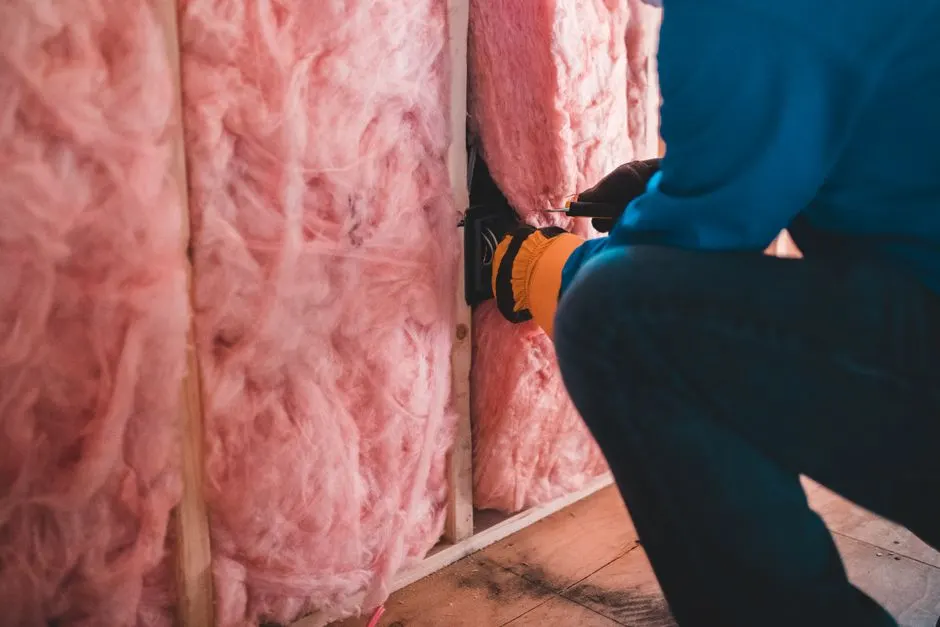
Crop unrecognizable worker in gloves sitting on haunches and insulating with pink stone wool
Our track record
Our track record

Field evidence from Tower Hamlets lofts

What four years of local work shows

Since 2022 we have cleared more than 600 lofts and roof spaces across Tower Hamlets, and the pattern is consistent. Roughly seven in ten jobs come from a sale or remortgage where a surveyor flagged spray foam insulation failing building regulations. The rest are damp problems: attic condensation from spray foam in E3, cavity wall damp from spray foam in older terraces, or foam that has soaked up a leak and is holding water against the rafters. On a typical E1 or E2 terrace we remove 18 to 25 square metres of foam in a day, and on a Canary Wharf flat we might handle 40 square metres over two visits. We photograph every loft before and after, which is often what finally gets a lender over the line.

600+
Tower Hamlets lofts cleared

Local questions

How much does spray foam removal cost in Tower Hamlets?

Most Tower Hamlets jobs run from £1,200 for a small partial cut-out to £3,500 or more for a full loft strip, with typical E1 and E2 terraces landing between £1,800 and £2,600. The price depends on foam area, foam type and access. We survey first and give you a fixed figure, so the cost of spray foam removal in Tower Hamlets Greater London is clear before we start.

Who is the best spray foam removal company in Tower Hamlets?

The best spray foam removal company in Tower Hamlets Greater London is one that surveys before quoting, uses the right tools for closed cell foam, and gives you photo evidence for your lender. We have cleared over 600 lofts here since 2022, hold CHAS accreditation, and work to Building Regulations Part L when reinstating insulation. Ask any contractor those questions and compare the answers.

Is spray foam removal near me available 24/7 in Tower Hamlets?

Yes. We answer the phone 24/7 for Tower Hamlets addresses, including evenings and weekends. Overnight and weekend slots are limited, so we prioritise active leaks and sales that are about to exchange. For standard bookings, a survey is usually arranged within 48 hours across E1, E2, E3, E14 and E15.

Trust and credentials

Trust and compliance in Tower Hamlets

Spray foam removal in Tower Hamlets touches building regulations, lender requirements and waste disposal, so credentials matter. We carry public liability insurance, hold CHAS accreditation for site access, and are Constructionline registered, which managing agents and commercial clients ask for before we start. Our technicians hold CSCS cards and PASMA certification for safe work at height, and we work to Building Regulations Part L when reinstating insulation. Foam waste is removed by licensed carriers with transfer paperwork, and on managed E14 blocks we follow the building's permit and lift booking process on every job.

Public liability insurance for insulation removal works
Waste carrier registration for foam disposal
CHAS accreditation CHAS
When To Call

Signs you need spray foam removal in Tower Hamlets

Not every foam loft needs stripping, but some problems cannot wait. If you have been searching for spray foam insulation removal near me Tower Hamlets, these are the triggers we see most often across the borough, from damp patches in E3 terraces to surveyor notes on E14 flats. Spotting them early usually means a cheaper, simpler job than waiting until the timbers are soft.

1. Damp or dark staining on loft rafters

Foam traps moisture against the timber, so the wood stays wet and starts to discolour. Left alone it turns to rot, and rotten rafters are a structural repair rather than a simple removal. If you can see dark patches, get it looked at within a few weeks.

2. Condensation on the loft hatch or roof felt

Water beading on the underside of the roof covering means the loft cannot breathe. Spray foam often blocks the eaves vents that should let moisture escape. This is common in E14 flats and shows up as drips or a musty smell in the flat below.

3. A surveyor or lender has flagged the foam

Mortgage lender refusal due to spray foam is the single most common reason we are called in Tower Hamlets. Once it is on a survey report, the sale usually stalls until the foam is removed and the timbers are documented. Acting quickly keeps your buyer on side.

4. Musty smell in an upstairs room

A damp, earthy smell near a ceiling usually points to trapped moisture above it. In Tower Hamlets terraces the source is often foam-covered rafters or a blocked eaves vent. The smell gets worse in autumn and winter as the temperature drops and condensation builds.

5. Difficulty selling or remortgaging the property

Difficulty selling property with spray foam is now routine in this borough, especially on leasehold flats. Lenders want proof the insulation is compliant or removed. We provide photos and a written summary that satisfies most surveyors and speeds the process up.

Local Problem Patterns

Common spray foam problems in Tower Hamlets

Tower Hamlets throws up a particular set of spray foam problems because of its building stock and its position by the river. The borough has dense Victorian terraces, thousands of leasehold flats, and a damp, temperate climate with plenty of autumn and winter rain. Foam that was sprayed to stop a draught often ends up trapping moisture instead, and the large rental market means problems are sometimes left for years before anyone deals with them.

Spray foam insulation failing building regulations

Why it happens here

Much of the foam in Tower Hamlets was sprayed before current standards were understood, and it often leaves the roof unable to ventilate. Surveyors now flag it as non compliant loft insulation, which stops sales and remortgages across the borough.

Our approach

We remove the foam, check the timbers, and document the loft so your lender can see it meets the standard. Where replacement insulation is needed, we plan it to Building Regulations Part L so the loft is compliant when we finish.

Roof timber rot from trapped moisture

Why it happens here

Closed cell foam seals the rafter surface, so any moisture that gets in cannot escape. In older Bethnal Green and Bow terraces the rafters are thin to begin with, and a few damp winters are enough to soften them.

Our approach

We probe each rafter as the foam comes away, treat any rot we find, and replace sections that are too far gone. You get photos of the bare timbers so you can see the condition for yourself before the loft is closed up.

Cavity wall damp from spray foam

Why it happens here

Foam injected into a cavity can bridge the gap and let water travel across to the inner leaf. In Tower Hamlets terraces this shows up as damp patches on internal walls, often on the side that takes the prevailing rain.

Our approach

We assess the cavity, remove what can be reached, and restore ventilation so the wall can dry. Where full removal is not practical, we tell you honestly and explain the alternatives rather than selling a job that will not fix the problem.

Attic condensation from spray foam in flats

Why it happens here

In E14 and E15 apartment blocks, warm air from the flats rises into a sealed roof void. With the foam blocking the vents, that moisture condenses on the cold roof covering and drips back down.

Our approach

We remove the foam, clear the blocked eaves vents, and restore airflow through the void. An air scrubber keeps dust out of the flats, and we work to the building's permit rules so the managing agent stays informed.

Local Pricing

What spray foam removal costs in Tower Hamlets

Typical 2026 pricing for spray foam removal in Tower Hamlets runs from around £1,200 for a small partial cut-out to £3,500 or more for a full loft strip in a large terrace. Most E1 and E2 lofts land between £1,800 and £2,600, while E14 flats with plant room or roof void foam are priced per square metre after a survey. Access is the biggest variable: a ground-floor terrace with a clear loft hatch is straightforward, whereas a Canary Wharf tower with a booked service lift adds time. If you want affordable spray foam removal Tower Hamlets Greater London homeowners can budget for, ask for a fixed price after the survey rather than an estimate over the phone.

Availability in Tower Hamlets: We answer the phone 24/7 for Tower Hamlets addresses, and we book surveys within 48 hours for most E postcodes. Same day spray foam removal is often possible if you call before midday and the loft is accessible. Standard working hours are Monday to Saturday, with evening and weekend slots for urgent cases where a sale or a leak cannot wait.

1

Loft size and foam coverage

A 20 square metre terrace loft costs far less than a 45 square metre roof void. We measure the actual foam area during the survey, because partial coverage is common in Tower Hamlets and paying for a full strip you do not need makes no sense.

2

Foam type and bonding

Open cell foam cuts out quickly. Closed cell foam is rigid and bonded hard, so it takes longer and needs thermal cutting tools on dense sections. Most Tower Hamlets lofts have closed cell, which is why we price it separately.

3

Access, parking and lift bookings

Narrow Bethnal Green streets, resident parking bays and E14 service lift slots all add time. We include permit and lift arrangements in the quote so there are no surprises on the day, and we load in one pass wherever possible.

Year-Round Coverage

How the seasons affect spray foam removal in Tower Hamlets

Tower Hamlets has a damp, temperate climate, and the seasons change what we find in lofts. Autumn and winter bring the condensation and leak calls, spring is when sales pick up and surveyors start flagging foam, and summer is our busiest window for planned removals because the loft is dry and the timbers are easier to assess. If you are weighing up the cost of spray foam removal in Tower Hamlets Greater London, booking in the drier months often means a simpler job.

Spring

Spring is when the sales market wakes up, so surveyors flag spray foam in Tower Hamlets lofts more often. Damp patches from winter are still visible on rafters, which makes this a good time to get an assessment before the wood dries and the damage is less obvious.

Tip

Book a survey in March or April if you are planning to sell this year, so any removal is done before your buyer's surveyor visits.

Summer

Summer is the easiest time to remove foam. Lofts are dry, timbers are stable, and we can leave vents open to air the space out. It is also our busiest period, so E1 and E2 slots fill up a couple of weeks ahead.

Tip

If your loft is not urgent, book a summer removal for the best conditions and the least disruption to the rest of the house.

Fall

Autumn rain and falling temperatures bring the condensation calls. Foam that held up all summer starts showing damp patches, and attic condensation from spray foam becomes obvious in E3 and E14 roofs. Leaks around chimneys and flashings also show up now.

Tip

Check your loft in October before the cold sets in. Catching damp early usually means a straightforward removal rather than a timber repair.

Winter

Winter is when trapped moisture does the most damage. Rafters stay wet for weeks, rot spreads, and any leak in the roof covering gets worse. Emergency calls from Tower Hamlets go up sharply between December and February, often from flats with drips coming through the ceiling.

Tip

If you spot a drip or a musty smell in winter, call us rather than waiting for spring. A quick removal now can save the rafters.

Hiring Smart

What to ask before hiring in Tower Hamlets

Choosing a spray foam removal contractor in Tower Hamlets comes down to a few practical questions. The borough has plenty of firms who will quote over the phone without seeing the loft, and that is usually where the problems start. Ask these before you book, and you will quickly tell who knows what they are doing from who is guessing.

  1. 1

    "Will you survey the loft before quoting?"

    Why it matters

    Foam coverage, timber condition and access vary hugely between a Bethnal Green terrace and an E14 flat. A contractor who quotes without looking is either padding the price or about to find surprises on the day. A proper survey takes under an hour and makes the price real.

  2. 2

    "How do you protect the timbers during removal?"

    Why it matters

    The wrong tools gouge rafters and turn a simple removal into a structural repair. Ask what they use on closed cell foam, and whether they check for rot as the foam comes away. Good answers mention saws, chisels and a probe, not just a hammer.

  3. 3

    "What evidence do I get for my lender or surveyor?"

    Why it matters

    Most Tower Hamlets jobs are driven by a mortgage or a sale. You want photos of the bare timbers and a written summary you can pass on. If a contractor cannot provide that, you may end up paying twice.

  4. 4

    "How will you control dust in an occupied home?"

    Why it matters

    Foam removal is dusty, and Tower Hamlets homes are often small with the loft hatch over a landing. Ask about sealing the hatch, air scrubbers and an industrial vacuum. The answer tells you whether they have done this in a lived-in house before.

  5. 5

    "Are you insured and accredited for this work?"

    Why it matters

    Ask about public liability insurance, CHAS accreditation and waste transfer paperwork. In managed E14 buildings you may also need a contractor who can follow permit and lift booking rules. Accreditation is a fact you can check, not a sales line.

Knowing the Area

Landmarks we use to navigate Tower Hamlets

Tower Hamlets is easy to work in once you know it, and we use the landmarks as our mental map. Canary Wharf tells us we are heading for the E14 towers and their service lifts. Tower Bridge and the Museum of London Docklands sit at the western edge, close to the older wharf conversions where roof voids are tight. Brick Lane marks the E1 terraces, and Queen Elizabeth Olympic Park anchors the northern side near Bow and Mile End. Knowing which side of the borough a job sits on decides our route, our parking plan and whether we need a lift booking before we set off.

Landmarks

  • Canary Wharf

    The towers around Canary Wharf are our main E14 work zone. Jobs here need lift bookings, floor protection and quiet working, so we plan them separately from a standard terrace visit.

  • Brick Lane

    Brick Lane sits in the middle of the E1 terraces, where Victorian rafters and older spray foam are the norm. Parking is tight, so we load in one pass and keep the van close.

  • Queen Elizabeth Olympic Park

    The park marks the northern edge of our patch, covering Bow and parts of Mile End. Jobs around here often involve post-war housing with foam over old mineral wool.

Commercial Districts

  • Canary Wharf estate

    Commercial spray foam removal demand here comes from plant rooms, service voids and managed office fit-outs. Work is scheduled around building hours and needs documented access and waste control.

  • Isle of Dogs industrial fringe

    The older industrial units and warehouses near the docks regularly need roof foam removed before a refit or sale. These are large, phased jobs using industrial vacuums to keep dust off stored goods.

Transport & Access

  • Canary Wharf station

    A major interchange on the Jubilee line and Elizabeth line, which makes E14 jobs easy to reach without a van in central London traffic.

  • A12 / Blackwall Tunnel approach

    Our main route into the eastern side of the borough, useful for early starts before the tunnel queues build up.

!

Book spray foam removal in Tower Hamlets today

If a surveyor has flagged foam in your loft, or you have spotted damp on the rafters, we can survey your Tower Hamlets property within 48 hours and give you a fixed price. We have cleared over 600 lofts across E1, E2, E3, E14 and E15 since 2022, and we photograph every job so your lender or buyer has what they need. Call us now and we will tell you honestly whether the foam needs to come out.

Get a fixed quote
Call Now: 02080885345